
[The Screenplay / Script is available on application, subject to NDA]
BETTY is a powerful, well-structured biopic that has all the elements of a successful sports drama: an against-the-odds protagonist, high-stakes action, and deep personal conflicts. The script's strength lies in its use of the dual timeline to frame the high-octane past with the reflective, bittersweet present. There is a good mix of intimate interview footage, home scenes, and intense action sequences
The strengths of a movie adaptation of this story lie in its compelling protagonist, Betty, and her journey from housewife to world champion in the male-dominated sport of powerboat racing. The narrative combines thrilling race sequences with intimate character moments, showcasing Betty's resilience, determination, and innovative thinking. Her personal battles, including overcoming cancer, add depth to her story, making it both inspiring and emotionally resonant for audiences. Ultimately, the film offers a powerful exploration of empowerment and the pursuit of dreams against all odds.
Ensuring Betty's character is portrayed with depth and complexity, avoiding one-dimensional stereotypes of female empowerment, will be crucial for the film's authenticity and resonance with audiences.
The identified market for a film adaptation of this story would likely include audiences who love inspirational sports dramas and strong female leads.
Given the unique backdrop of powerboat racing in the 1970s, the film should attract fans of adrenaline-fueled action and adventure, as well as those interested in stories of triumph against societal norms. Additionally, the film's exploration of Betty's personal struggles and overcoming cancer could resonate with viewers seeking emotional depth and character-driven narratives. Overall, the film could attract a diverse audience spanning from fans of sports films to those interested in stories of empowerment and resilience.
This project is ideally suited for mini-major film studios, given its potential for broad commercial appeal and critical acclaim.
Independent production companies like A24 or Plan B Entertainment, known for their success with both mainstream hits and indie favourites, could also find value in this story.
The key to success lies in attracting a strong female director and A-list actresses who can bring both talent and star power to the project. Names like Julia Roberts, Charlize Theron, and Jessica Chastain would significantly enhance the project's appeal and attract investors. Finding an actress with international appeal is important, as the film has the potential to resonate with audiences worldwide.
Voyage Media
The use of the 1990 interview footage (INT. BETTY'S LIVING ROOM - DAY) as a narrative framing device is highly effective. It immediately establishes a sense of weight and melancholy (due to her illness), which imbues the flashback story with immediate stakes. We know she succeeded, but the question becomes: at what cost? A perfect dramatic hook.
The script breaks down Betty's career into 3 clear acts, where the pacing of the racing sequences is strong, often ending a scene with a setback (engine fire, crash, Joe Fry's broken arm) or a major triumph, maintaining forward momentum.
The strongest themes are Gender/Female Empowerment & Legacy. The script powerfully details the condescension Betty faces (e.g., her physical size, being taken seriously in the "boys' club"), making her eventual victories feel earned and significant. The contrast between her ambition and the destruction of her personal life and health provides a compelling dramatic irony that underpins the whole story.
The dialogue is snappy and purposeful, especially the banter between Betty and her crew (e.g., the helmet/suit jokes in Scene 15). The "interview" dialogue is a great vehicle for her to reflect on her own motivations and deliver the film's philosophical takeaways.
Action Sequences: The script successfully conveys the danger and intensity of offshore racing. Terms like "almighty, terrifying crash" (Scene 5) and the description of the Scarabs "hammering on the chop" are visceral and well-written. The constant threat of mechanical failure (engine on fire, props being sabotaged) works as a great ticking clock throughout the film.
The tone achieves a deft balance of:
The final scenes, with overlaid titles detailing the fate of each crew member, is a poignant, documentary-style ending that works perfectly for a biographical drama.
Stage32
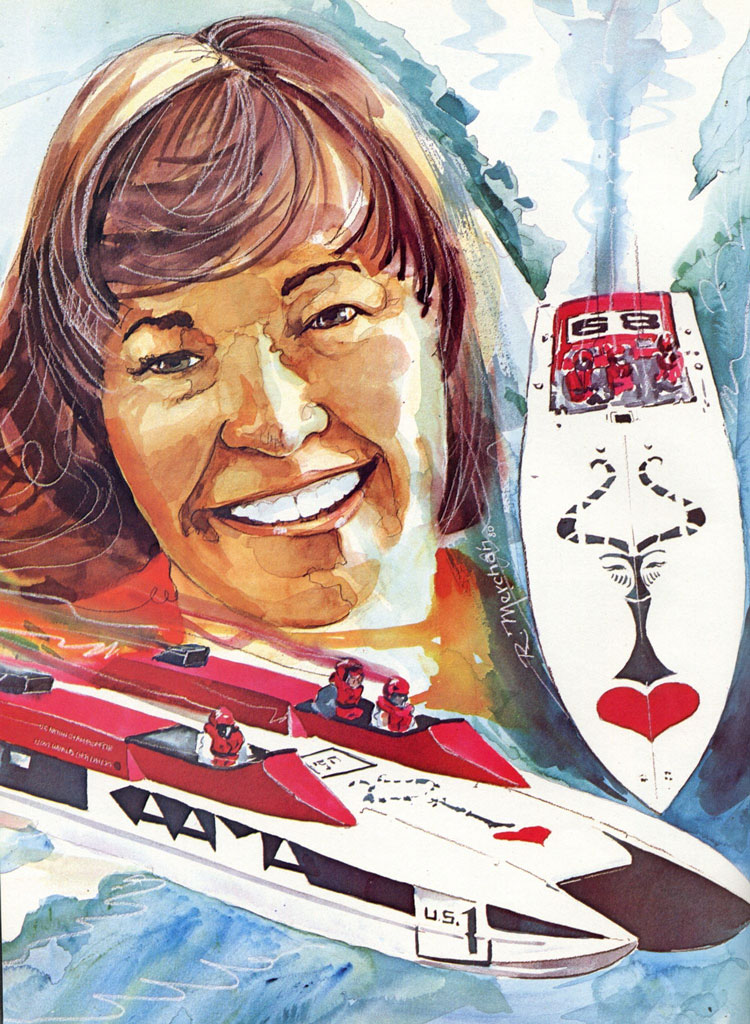
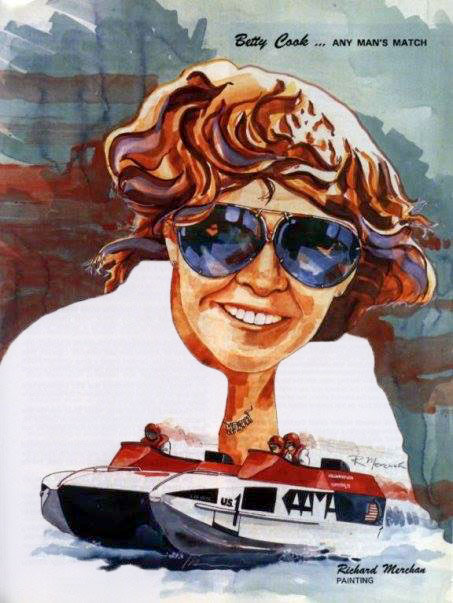
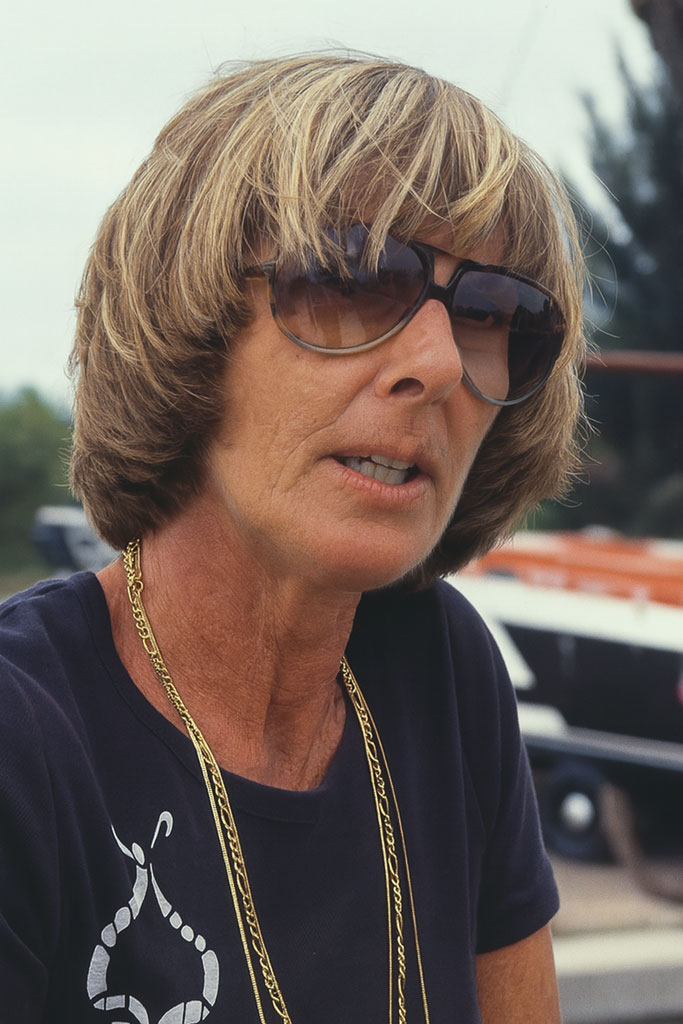
FILM OPENING: The film opens a few months before Betty's death from cancer on 23rd December 1990 at the age of 67. We see old footage of an interview - she appears older, frail, unwell. Betty is interviewed by a young University student who is writing her thesis on women in powerboating. This is our first introduction to Betty.
The excitement builds as we flash back to 1977 to when she won the World Championship - it's a thrilling powerboat race, disorienting, exciting as her boat blasts through the water. We see from her POV inside the helmet - she's injured in the face as the boat bashes around, but she and her two companions keep racing.
The boat continues; it's an adrenaline fuelled race. Then the boat slows and the occupants remove their helmets, we meet Betty's ever-present throttleman John Connor and her charismatic navigator, Don Holloway... finally the diminutive pilot, Betty, removes her helmet. Her lip is split and bleeding; she looks around, confused. Where is everybody? She isn't aware yet, but she's just become world champion for the first time. Meet Betty Cook.
ACT 1: We open at a party 3 years earlier in 1974. Betty's husband Paul has just won a powerboat race - he loves being the centre of attention and Betty slips into his shadow. We also meet the real-life characters, Larry Smith who designs the boats and Don Pruett who runs Paul's boat team. The party is lavish, testosterone-filled and beautiful women (mostly NOT wives) drink expensive cocktails.
Betty finds out Paul's racing career will end soon, as his position as director of Raychem (his company) means he can't get insurance. Betty sees Larry sneak Paul a hotel room key - his prize for winning. A sign that things are not well in their marriage. Betty turns a blind eye.
Betty later turns up to support Paul at another race, but he is refusing to race in the reserve boat - Mongoose. Don persuades Betty to replace Paul - Don shows her the ropes and she reluctantly agrees - but after she wins a thrilling race she revels in the success - and also meets her future navigator, Bill Vogel Jnr.
During the after-party Larry approaches her - he wants to sell her a proper race boat - she politely declines - she doesn't want to run a race team. But days later, after a lot of introspection, she decides she does want to race again. She persuades Paul and then heads off to find Don Pruett so he can teach her the basics. She finds him in a bar having a punch-up - she goes to leave but he persuades her to stay and agrees to help.
Don P starts to teach Betty the ropes and she quickly realises she can find ways to improve the boats and the way they race - but her early races are hampered by this boat not being good enough to race hard, as well as issues with the engines.
Then one day, out of the blue, Paul tells her he wants a divorce. He wants kids and has met a younger woman. Betty is devastated - Paul is the love of her life. It's a tough blow and she struggles to accept it, having given up her life to date for Paul and her boys Gene and Gavin.
But after reflection, she decides to take what she can from the situation - she dramatically bursts into Paul's board meeting and demands she inherit the boat team, as well as funding to set up 3 new companies, as part of the divorce settlement.
Knowing he has little choice and unable to race himself, Paul agrees - she agrees to the divorce.
Betty takes over Paul's boat team, but the employees of the team are not convinced by her. She tells them she's a winner, but they aren't sure. Here she meets John Connor for the first time and asks him to be her throttleman. He agrees. She then asks Bill Vogel Jnr to navigate but, despite her best attempts he declines.
Months of racing failures follow. She gets frustrated with the boats and their unreliability. She starts to make small improvements.
Finally, she wins a race. But she's unhappy. She needs a quality navigator - so she approaches Don Holloway after he is recommended to her. Don is confident, arrogant - she doesn't warm to him. Back to the drawing-board. But there is good news - finally she has a new redesigned boat - the famous KAAMA is born.
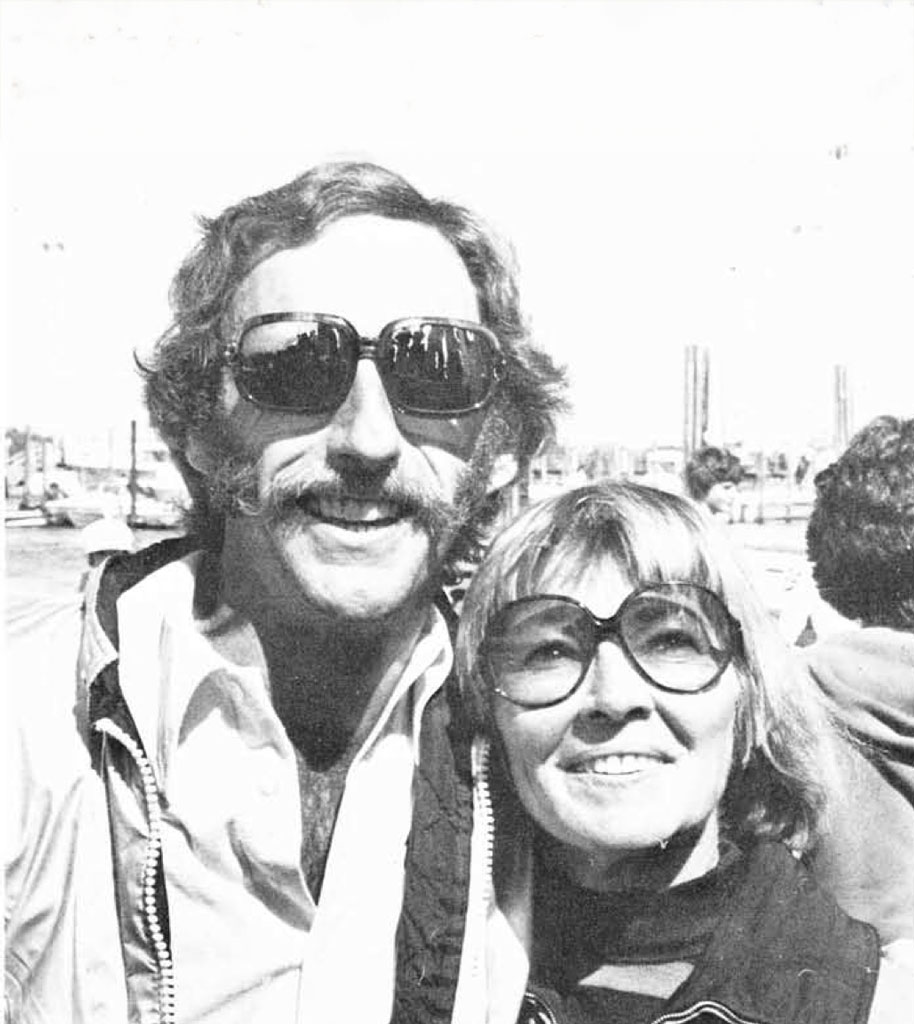
Act 1 is about change, possibility and the start of an incredible adventure that lasts for 8 years. We see Betty deal with a huge change, meet the people who will change her life and also start to realise she is in an industry she can dominate, if she applies her MIT skills in engineering and design. Betty starts to rediscover her true self and sense of purpose. We also see the people who will end up marking her life in such an important way: Larry Smith, Don Pruett, John Connor, Don Holloway and Bill Vogel Jnr. She starts to find her feet in the male dominated world she operates in. The early lack of success and frustration she feels, causes her to think differently about how to win.
We also get to see her interviewed in the months before her death - where she, and other people around her, reveal more about her. But she's proving to be very enigmatic...
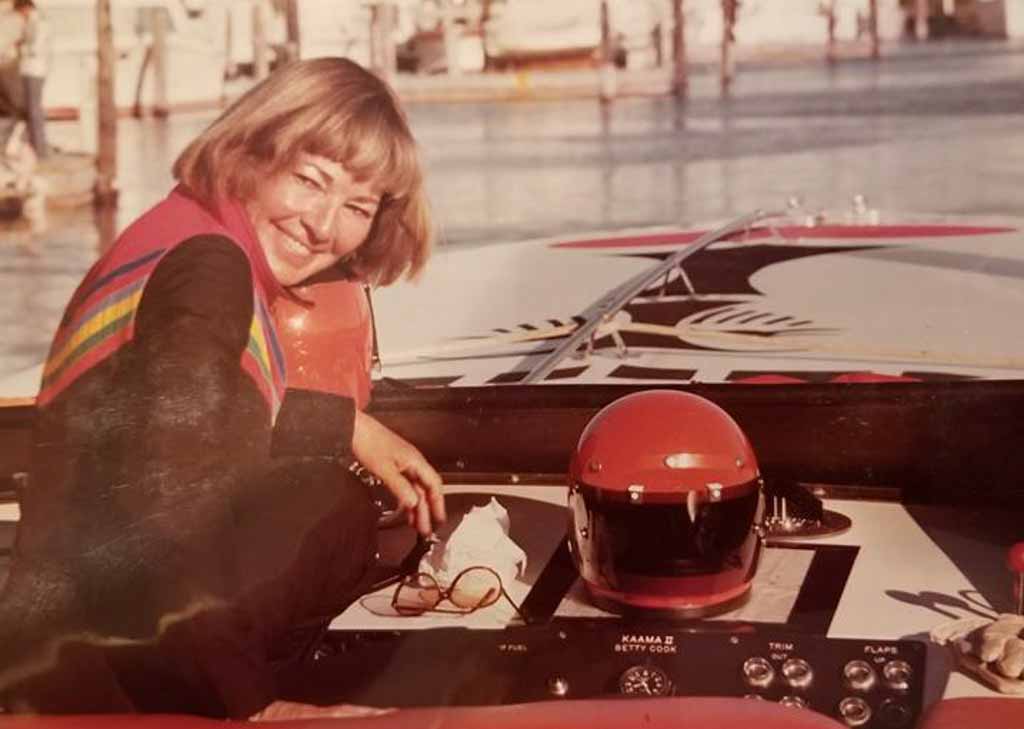
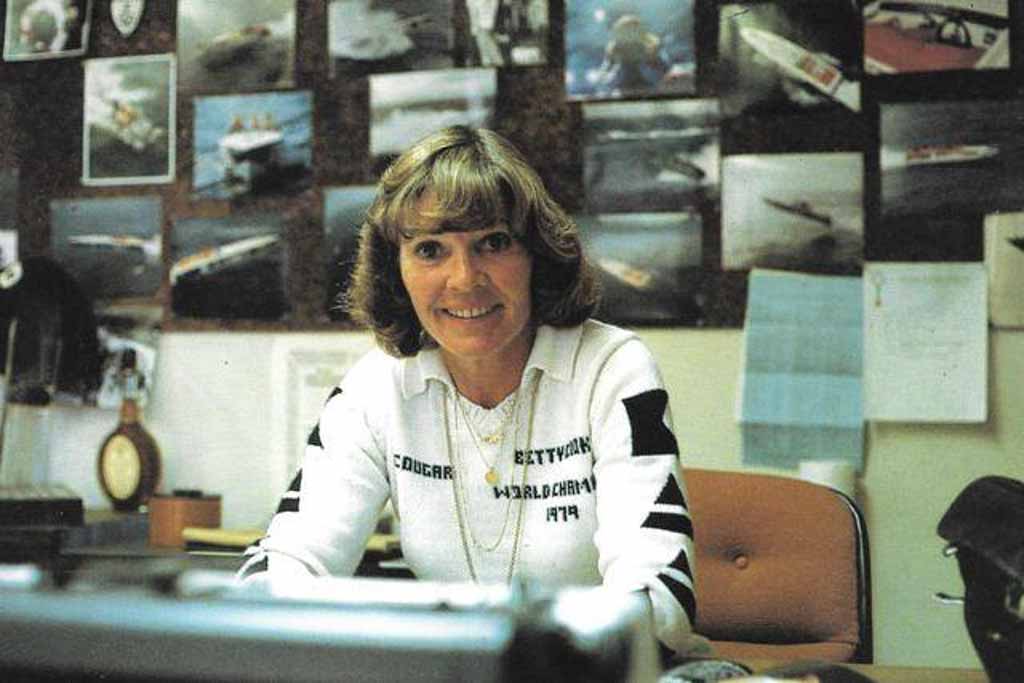
ACT 2: 1975 - we meet Rocky Aoki, a Japanese-American restaurant owner who is also an odd-man-out - the sport is typically white male - Rocky empathises with Betty being an outsider. We also meet Joel Halpern, her greatest rival - a fantastically talented young racer who admires his female rival. We start to see that the racing fraternity are accepting Betty into their world - she races, as they see it, like a man.
But her lack of success is really frustrating her now. The engineering improvements are not happening quickly enough. We also start to see here that organised crime is never far away from the boating world, as propellors are stolen before a race. As usual, she comes up with a plan in case it happens again.
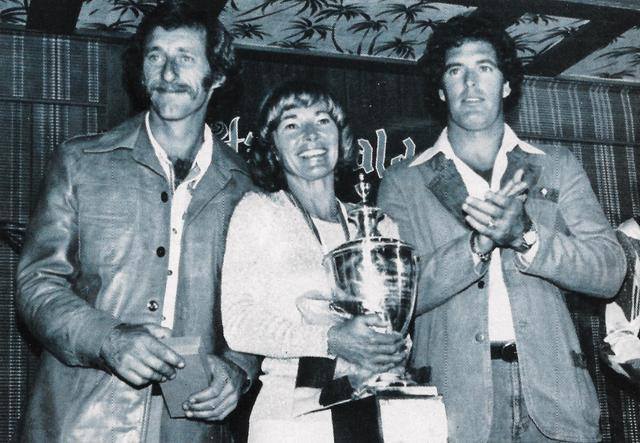
Three years pass... it's now 1977 and finally, Betty gets a new boat she can be confident in - also called KAAMA - a Larry Smith designed Scarab. But in one intense race, she loses her navigator, Joe Fry to a broken arm - to most people this would be bad luck, but she decides to use the opportunity to invite Don Holloway to join the team. She knows he's good and decides to take a risk. It pays off - they gain a stunning win at the Bushmills Grand Prix and her opponents start to realise she means business. It's her third, but arguably most important victory - as it's the beginning of her famous winning streak.
During her interviews, we get to understand why she's a winner, what motivates her - or are we seeing what she wants us to see? It's always hard to tell with Betty - she's always very controlled in what she says and lets us see.
In one difficult race Betty breaks her ribs - but she still turns up at the afterparty battered and bruised. She gets to meet another one of Don's girlfriends - she finds him later, on the boat kissing his girlfriend. She angrily shoos him away and the tensions between them start to build.
Here we get to see the softer side of Betty when John joins her on KAAMA, and they drink champagne and talk. It's a lovely intimate moment that hints at a stronger unrequited relationship between them. We get to see the important bond that kept them together for so many years. They laugh and look up at the stars - for a moment everything is peaceful.
Then begins a series of race wins as Betty's fortunes improve. Betty, John and Don seem unstoppable. But Betty seems to be suffering from her broken ribs. Or is it something more? Regardless, she continues to win - and in a thrilling race (the race in the opening scene) Betty, Don and John win the World Championship in KAAMA.
Act 2 offers us the chance to see Betty overcome constant failure and secure her first World Championship - but we also start to see her more vulnerable side, as a serious health issue (later revealed to be breast cancer) starts to affect her. We get to see her relationships with John and Don and start to feel a sense of the loneliness underneath the ambition and drive. The interview with Betty also continues and we start to see glimpses of the person under the facade. We also get to see a little more of the other characters in the other boat teams that shape her life. Most importantly
we see her move from failure to champion as she moves out of Paul's shadow.
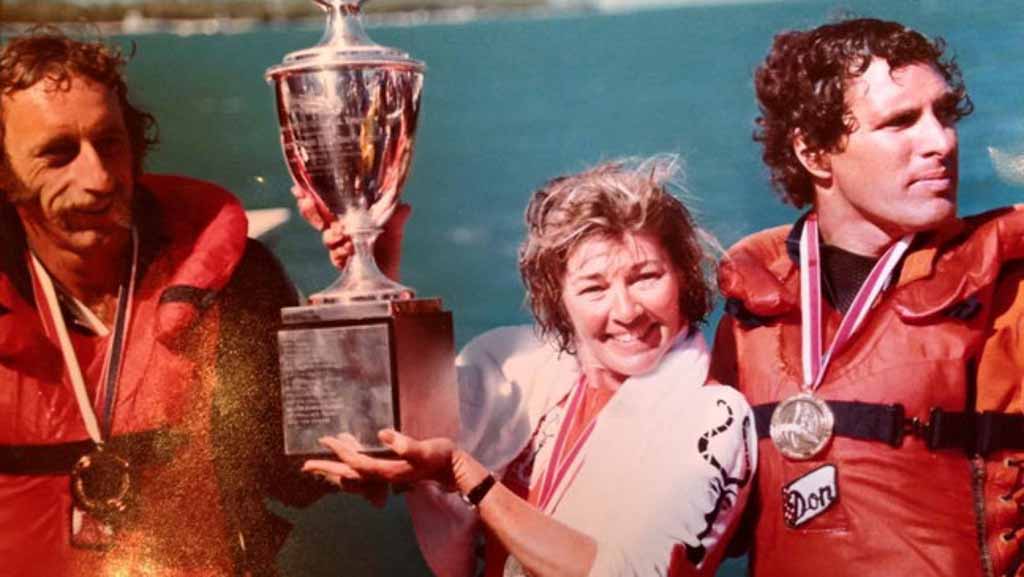
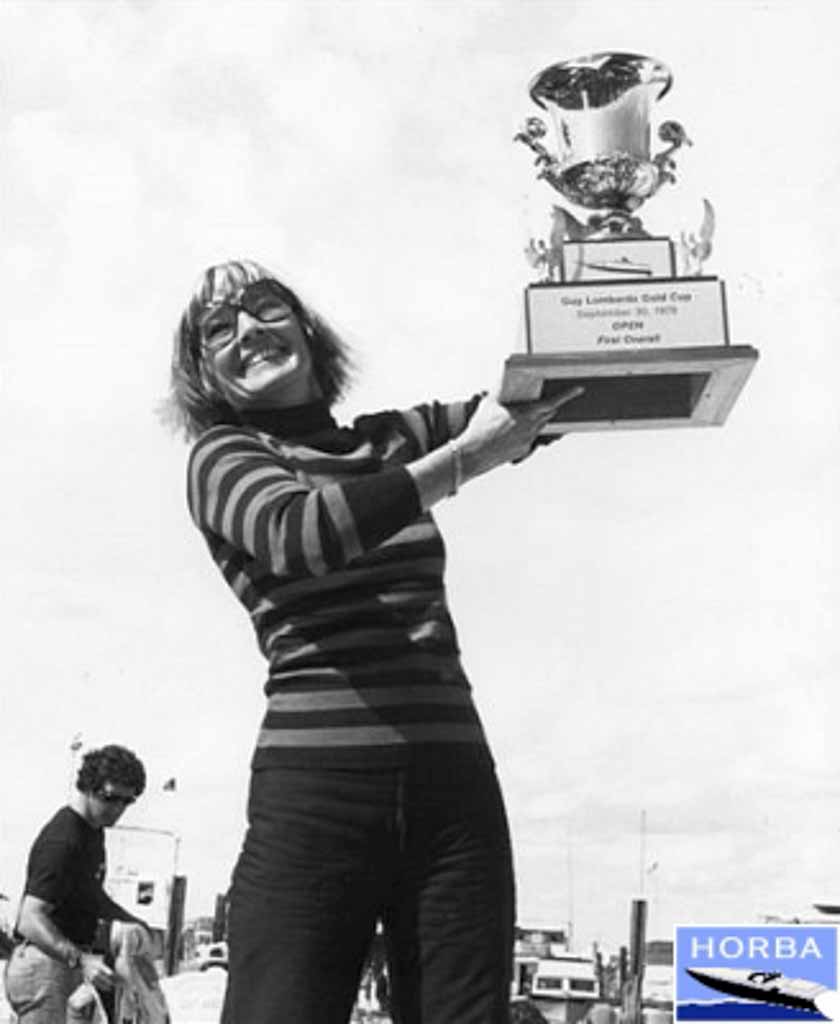
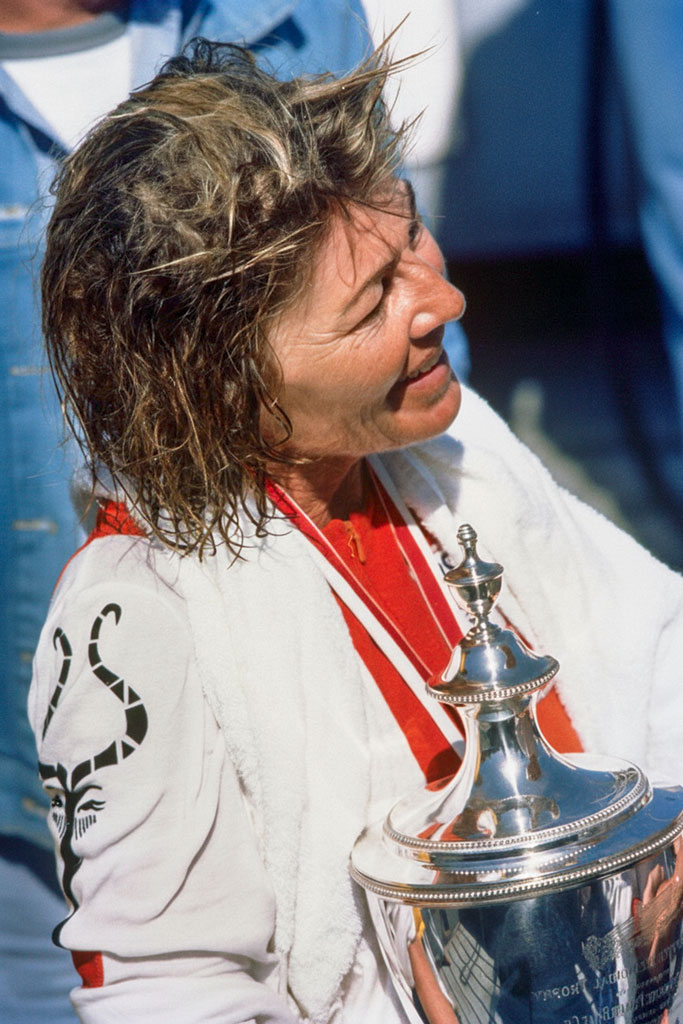
ACT 3: This act starts at another afterparty - Don Pruett has reappeared (having gone missing for a few years). He tells Betty she shouldn't be alone, that life is too short. The problem of course, is that she's still in love with Paul.
Then we get to the famous Cowes-Torquay powerboat race win off the Isle of Wight in England. Betty has left Don Holloway at home (and he's not happy) because she wants a local navigator, Mike Mantle to help them win.
Mike approaches the boat along the jetty before the race, in an iconic scene where amongst the noise and smoke, he sees Betty sitting cross-legged on KAAMA, meditating pre-race. They go on to win the thrilling race - the first woman ever to do so. Despite this, at the afterparty she is refused entry to the Royal Yacht Squadron club, when the Naval Chief Petty Officer guarding the door says, "Women are not allowed to enter through the front door". A handsome young English man, James Beard, tries to help, and ends up taking her into the club via the back door. Betty instantly likes James - a definite attraction despite the age difference. There's a chemistry between them - both outsiders, both very intelligent, both charming.
That evening, James invites Betty for a night out in London and flies her via Helicopter to the city and an exclusive club. They talk, dance, smoke and drink until the early hours. The evening ends when James tries to sell her one of his catamarans. Her ribs start to hurt again and James suggests she see a doctor.
Back home in the USA Betty is diagnosed with Breast cancer. She tells nobody and continues to race, despite undergoing chemotherapy. She is clearly unwell but more determined than ever. In old race footage we watch Betty win her first US championship in KAAMA.
Then we see the race in Argentina - the weather is horrendous and Betty, as well as others argue for higher safety standards and changes to the race - she wins. We get to see her tough side here - she takes no prisoners. Another run in with Don Holloway sees Betty sack him by postal letter. She doesn't handle it well and Don leaves, never to speak to her again.
This is when she hires Bill Vogel Jnr, a young Californian kid who remains with her as navigator throughout the next couple of years.
Betty continues to win thrilling race after thrilling race and we also see her new Kaama Catamaran in action. Despite her health, she's unstoppable. After one race, she hears about Rocky Aoki's serious accident and visits him in hospital. She starts to ponder the risks. She puts the shock behind her and starts winning races again, with one really exciting race where Bill Vogel Jnr navigates KAAMA out of heavy sea fog - a visual spectacle.
The three of them win Betty's 2nd World Championship in 1979 in Venice.
Afterwards, she finally admits to John she has cancer. In an emotional reveal, John gets upset, feeling like she's keeping secrets from him. John never mentions it again.
After a race in New Orleans, Rocky Aoki, now back to full health tells Betty of the death of her long-term rival, Joel Halpern. She's devastated. Bill Vogel in particular, is shocked. There are other changes too - she gets sponsorship from Michelob Light so drops the name Kaama. It's an emotional moment, but the rebranding doesn't stop her winning races and she becomes US Champion again.
Bill Vogel tells her at the afterparty that he wants to give up navigating - he has a young wife and they are thinking of having children. Betty understands, but it hits her hard losing her favourite navigator. She gets a phone-call from James Beard late at night. She loves talking to him and agrees to go dancing with him again. She doesn't realise it's the last time she will ever speak to him. She goes on to win the last two races of her career. She is so exhausted after one race that she collapses, caught by the ever-reliable John - by her side as always.
Betty then gets an all clear from her cancer - the treatment worked. She's overwhelmed and delighted. One night shortly after in her office, her son Gene interrupts her to tell her Mike Mantle called from England to ask her to call James. She says she'll call him in the morning.
The next morning she calls the number only to find out James died overnight. She is devastated and loses control of her emotions, smashing items off of her desk. We get to see her full vulnerability and pain in an emotionally charged scene.
Betty's story ends back with the interviewer a few months before she passes. The interviewer asks her how she wants to be remembered. Betty thinks - and the scene cuts before she answers.
Act 3 shows us Betty's biggest successes, all whilst battling cancer without telling anyone. We get to see more of her true character, her vulnerability, but also what motivates and drives her. The races are thrilling, the personal reflections revealing - complemented by interviews from some of those who knew her. We also get an insight into why she stopped racing - the loss and near loss of people she cares about affects her deeply. Ultimately, we leave the audience on a question - from all the people I interviewed Betty still remains an enigma and I want to ensure the audience feels this too.
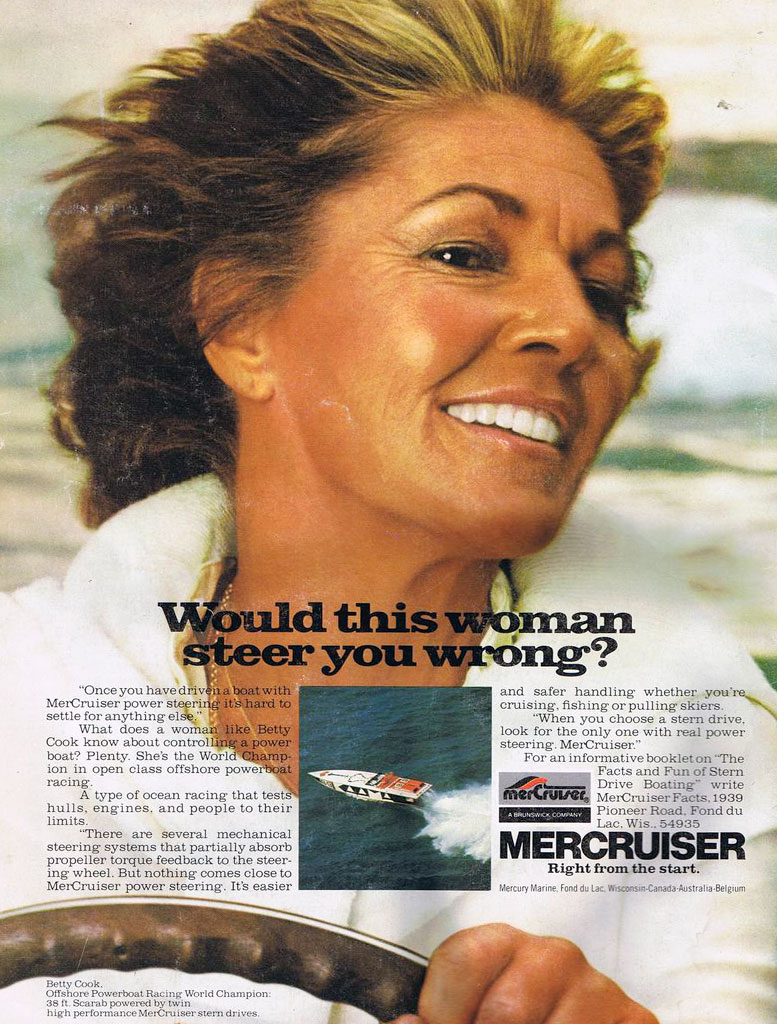
Writing a biopic carries a weight of responsibility like no other writing. It's important to honour the memories of the people you are talking about, whilst ensuring the events and the spirit of those events are reflected as faithfully and correctly as possible.
Of course, there's still a story to tell - not being party to all events and conversations one must be liberal, to a point, with how those moments are portrayed, whilst staying close to the truth - but what happens in private stays there, so some leaps of imagination must inevitably be made.
Being inside these character's heads, studying their personalities, is the best way to do that justice. Inevitably there will be people who recollect people and events differently, but witnesses are unreliable - even reliable ones. The passage of time makes this even harder.
In this story, Betty is no longer here to ask, but we do have family members, friends, colleagues, people who knew her and people who thought they knew her. But what becomes very clear, as I interviewed them, is that everyone has a different view - perspectives differ, and while all have stories about their times with Betty very few, even those close to her, really knew her. Betty very much remains an enigma. She was very private, kept her cards close to her chest at all times. So it's not easy to peek beneath the veneer she wore, or the many veneers other people paint on her.
What was she like as a mother, grandmother, wife, friend, boss, lover even? These are not easy questions to answer; in some ways, that's where the intrigue and depth of the story comes from - from not knowing her.
Betty was a vibrant person who attracted a lot of interest from men, for example, but nobody really knows the truth about that side of her life after her divorce - or if they do (as I suspect in a few cases) they do not wish to talk about those things for fear of tarnishing her name (or theirs). Some (men especially) were quick to jump to assumptions or relay gossip about her private life, whilst having no evidence of it. Others paint her as a saint. Some family members say she could be a little cold, distant; others, warm, loving. It is in the contradictions that I try to find the real Betty.
It's important for me not to leap to conclusions - although in so many ways Betty's relationships with the men who surround her help define her, she was still very much her own person - strong, independent, a beacon of feminism and very much a role model for others. A contradiction wrapped in an enigma - it only makes her more appealing.
I've attempted to peek beneath her surface. Like any good writer I've made the connections between her and the people and events around her - in the way only someone who has the most pieces can. Without Betty to interview, we will never truly know. There's nothing salacious in here - no wild leaps of fantasy, no goodies and baddies - people are just people, rich, complex and different.
I hope, above all, I leave a legacy for this incredible woman - one that people will recognise and celebrate. I'm deeply connected to Betty now and hope that the 2 years of research, the many hours I've spent tracking down and interviewing people who knew her, the hundreds of articles and videos I've found, the technical aspects of powerboating I've had to learn, have all got me close to this enigma; whilst also writing a film that will connect with people and bring her story to life for the majority of those who may never have heard of her.
David J Keogh - Writer